A Welfare Crackdown on Polygamy and Incest
The Conservative Party, often referred to as the Tories, has taken aim at polygamous and incestuous marriages in a new welfare crackdown. Richard Holden, a Tory MP, has introduced a bill to end the recognition of such marriages for benefit purposes, specifically targeting men with multiple wives.
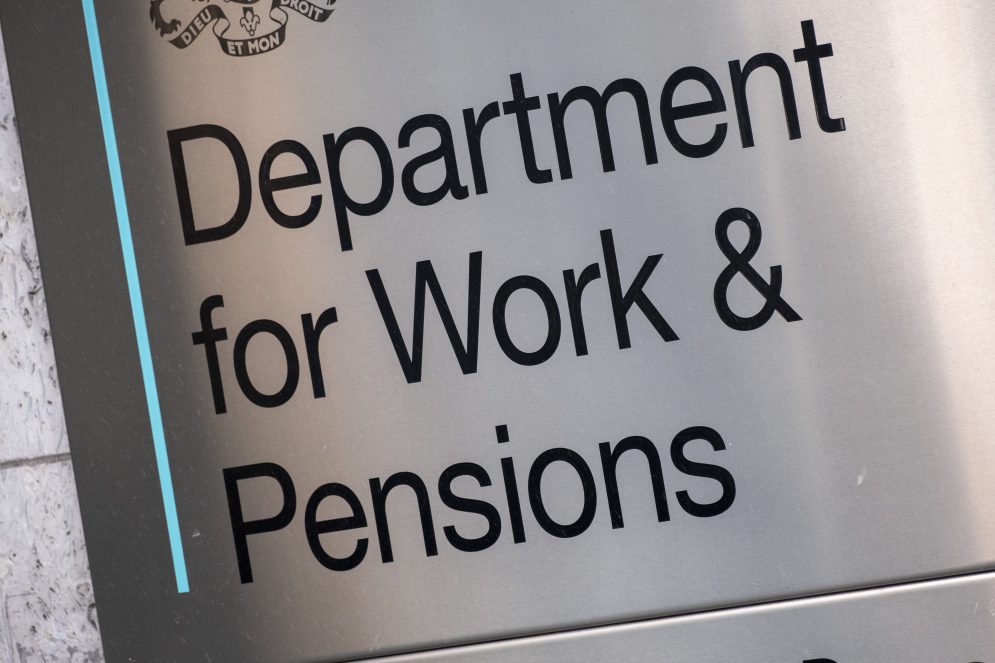
Holden's Social Security (Marriage) Bill seeks to close a loophole that allows overseas polygamous marriages to be recognized by the Department for Work and Pensions (DWP) for benefit claims. This loophole enables men with multiple wives to claim taxpayer-funded benefits for their additional spouses, including pension credit and housing benefits.
"Families struggling with the cost of living should not be footing the bill for men with multiple wives." - Richard Holden
The bill also aims to address incestuous marriages, including uncle-niece and aunt-nephew unions, which Holden believes have no place in the UK welfare system or society.
A Divisive Issue
The proposed legislation has sparked a heated debate among the public and political parties. While some support the move to uphold traditional marriage and societal norms, others question the priority and cost-effectiveness of such a bill.
"It’s something they think if they make a lot of noise about it will attract people back from Reform. In reality, it won’t change anything." - Commenter on the bill's motivation
The bill's critics argue that legislative time is finite and should be focused on more pressing issues. They question the impact on the welfare bill and the number of households affected, suggesting it may be a waste of resources.
"Where a claimant is allowed to claim benefits as part of a polygamous marriage, their benefit entitlement is based on the standard amount for couples, plus an amount for each additional partner. There is no financial benefit to someone claiming as part of a polygamous marriage." - Commenter on the financial implications
Some see it as a symbolic gesture, a smallprint change that could be handled by the DWP without the need for a full bill. Others argue that it undermines people's faith in the fairness of society and should be addressed to prevent further erosion of trust.
Priorities and Principles
The debate raises questions about the role of government and the balance between principles and practicalities. While some believe it is important to draw a line and uphold certain values, others argue that legislative time and resources should be allocated based on cost-benefit analysis.
"Government can do anything it wants, but not everything it wants." - Commenter on the trade-offs
The discussion also highlights the complex relationship between immigration and societal values. Some see the issue as a negative effect of immigration, while others emphasize the need for a diverse and inclusive society.
A Political Move?
The timing of the bill has led some to question its political motivations. With the Tories facing criticism for their handling of various issues, this move could be seen as an attempt to appeal to a specific voter base or distract from other problems.
"This is not the government being proactive. It’s what the opposition Tories want to do as it plays to their base." - Commenter on the political strategy
The bill's supporters, including Kemi Badenoch, argue that it is a necessary step to uphold British standards and prevent the exploitation of the welfare system.
As the debate continues, the impact of this bill on both the welfare system and societal values remains to be seen.

