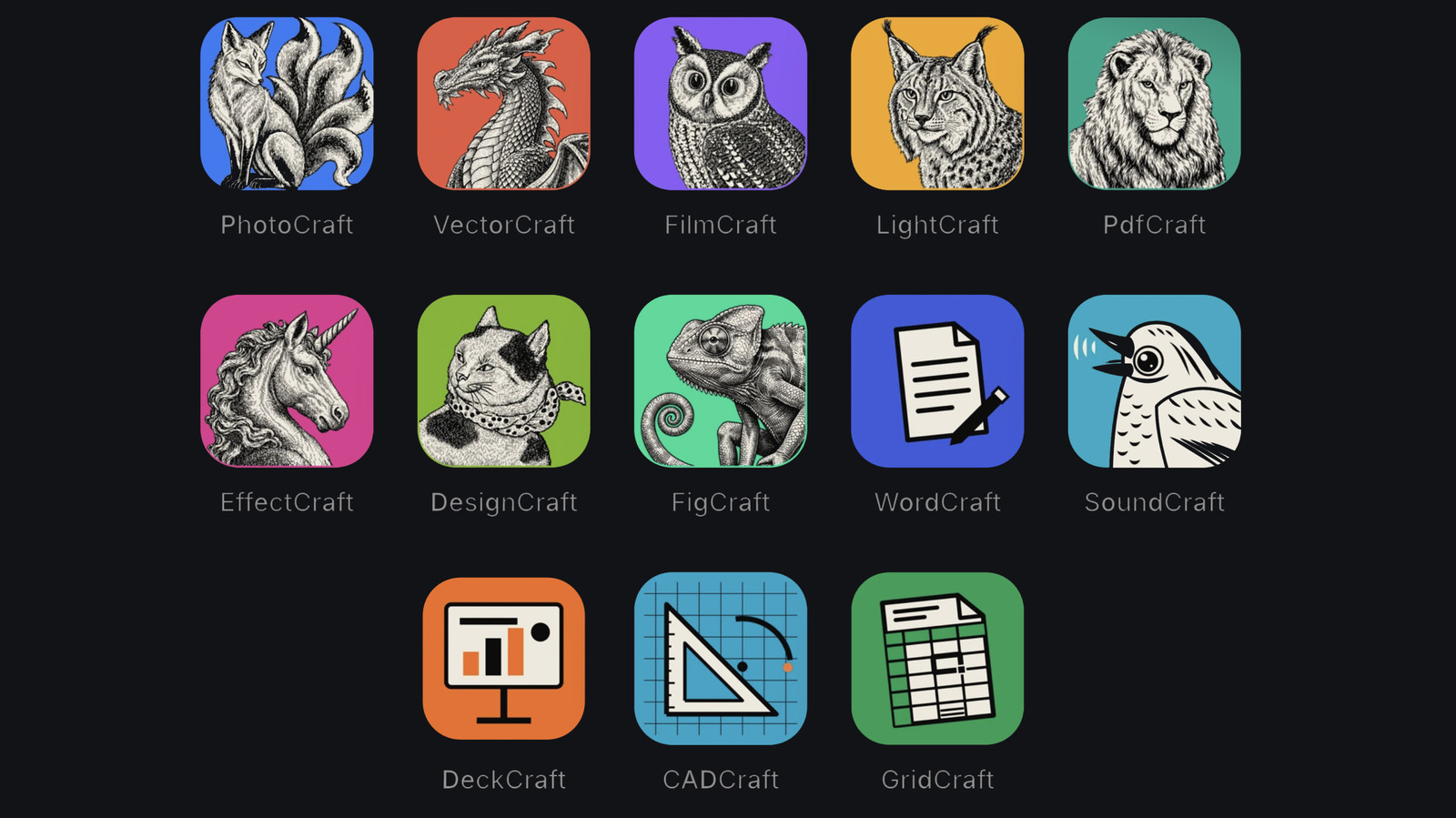
The landscape of software development is undergoing a dramatic shift as artificial intelligence opens new frontiers in reverse engineering. What began as experimental coding has evolved into a movement capable of deconstructing complex software ecosystems and rebuilding them from the ground up. Frustrated by mandatory subscription fees and restrictive licensing terms, developers are increasingly turning advanced AI models into tools for liberation, creating open-source alternatives to industry giants like Adobe.
The Anatomy of AI-Driven Cloning
For decades, dominant software suites have maintained a tight grip on creative professionals and hobbyists alike. While free and open-source alternatives have existed for years, they often failed to capture the seamless workflows and muscle memory built over years of using commercial software. Today, however, developers are leveraging conversational AI to rapidly reverse-engineer popular applications, producing clean-room implementations that replicate familiar user interfaces and core functionalities without relying on original proprietary code.
This trend has sparked intense debate across online developer communities. On one side, many view these efforts as a long-overdue reckoning for companies that rely on aggressive pricing models and burdensome cancellation fees. As one observer noted, some feel that predatory software companies are finally getting what they deserve. Others, however, remain skeptical, pointing out that early-stage clones often suffer from critical bugs, lack stability, and fall short of meeting professional standards.
Beyond Creative Tools
The phenomenon extends far beyond image and video editing. Automated deconstruction tools have gained massive traction, allowing users to inspect applications, understand underlying features, and generate functional code equivalents with unprecedented speed. This capability reaches into various domains, from productivity suites to consumer device firmware and classic video games, signaling a broader transformation in how software can be conceived and built.
Despite the rapid progress, significant hurdles remain. Legal questions surrounding trademarks, patents, and terms of service loom large over the movement. While creators of these open-source clones maintain that they are building clean-room alternatives from scratch, major corporations rely heavily on established legal protections, comprehensive support systems, and institutional trust—elements that free, community-driven projects struggle to replicate.
A Glimpse Into the Future
Whether these AI-generated clones will fundamentally disrupt entrenched monopolies or remain niche alternatives for hobbyists is still unfolding. For corporate environments where standardization, accountability, and security are paramount, traditional software providers retain a massive advantage. Yet, the rapid maturation of these projects highlights a growing appetite for change, suggesting that the era of unchallenged software dominance may face increasing pressure in the years to come.

