The End of an Era
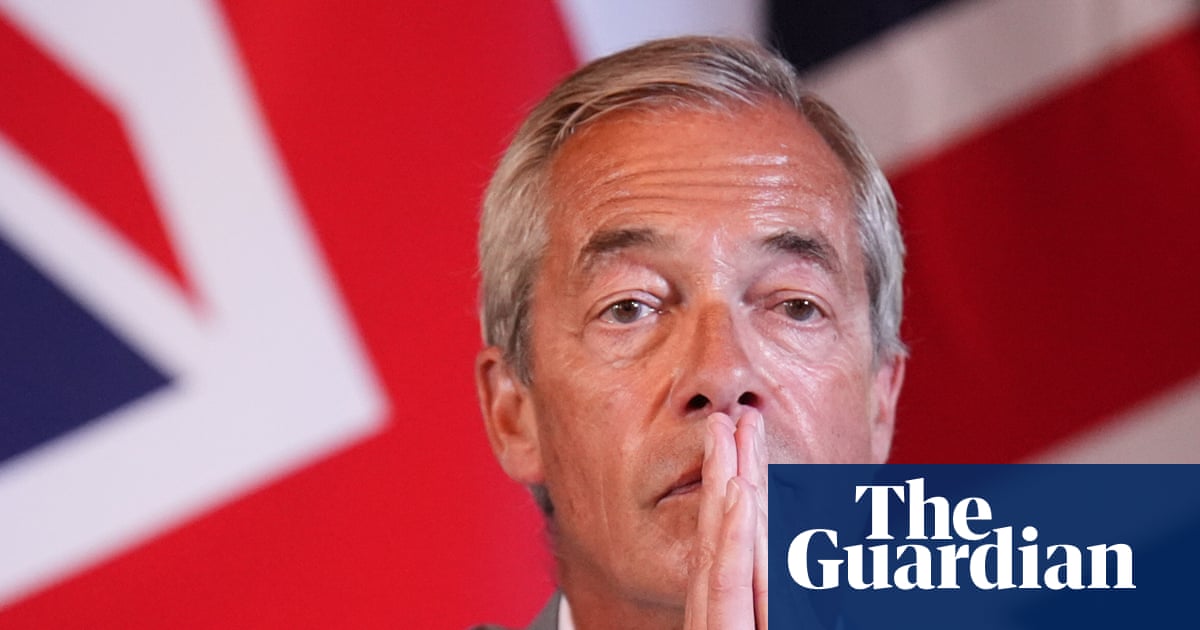
The Telegraph, a prominent British newspaper, has decided to end its regular column by Nigel Farage, the leader of Reform UK. This move comes as a surprise to many, given Farage's recent contributions to the paper, including a scathing critique of Prime Minister Andy Burnham's first budget.
Farage's column, which paid him approximately £4,000 per month, was not bound by a fixed number of articles, allowing him to contribute at his discretion. However, the decision to terminate the contract has sparked a debate over the reasons behind it.
Conflicting Narratives
The Telegraph's new German owner, Axel Springer, is rumored to have chosen not to renew Farage's contract, according to sources. This decision aligns with the company's plans for mass redundancies across its business, including the newsroom. The sports and culture sections have reportedly been hit hard by these cuts.
On the other hand, sources close to Farage claim that he submitted his resignation on Friday, citing dissatisfaction with the direction the Telegraph was heading. This narrative is supported by the recent departure of another right-wing columnist, Allison Pearson, who was in negotiations to leave the paper.
Political Implications
The termination of Farage's column has fueled speculation about the Telegraph's political trajectory under Axel Springer. The company aims to position the newspaper as a center-right, pro-free speech alternative to the Wall Street Journal in the US market. However, this strategy has caused unease among some Telegraph staff, who are concerned about the paper's traditional association with the Conservative Party.
Reform UK's repeated use of the Telegraph for 'spoiler' stories, a media tactic to preempt problematic stories with more favorable versions, has also raised eyebrows. Additionally, a piece about a journalist traveling to Britain on a small boat, later revealed to be a Reform member and activist, has drawn criticism.
A Contentious Figure
Farage, a controversial figure in British politics, has been accused of being a '5th columnist' by some commenters, who argue that his party's policies are influenced by foreign interests. His columns have urged readers to vote for Reform UK, claiming it as their last chance to 'get our country back.'
The end of Farage's column comes amid a wave of redundancies at the Telegraph, affecting many 'big-name' columnists. This has led to anger on the right, with some supporters of Pearson expressing frustration over the apparent decision to end her column as well.
A New Direction
As the Telegraph navigates its new ownership and strategic direction, the termination of Farage's column raises questions about the paper's future. With plans to expand its operations in the US, the newspaper is at a crossroads, leaving readers and commentators alike to speculate on its political leanings and the implications for British media.

