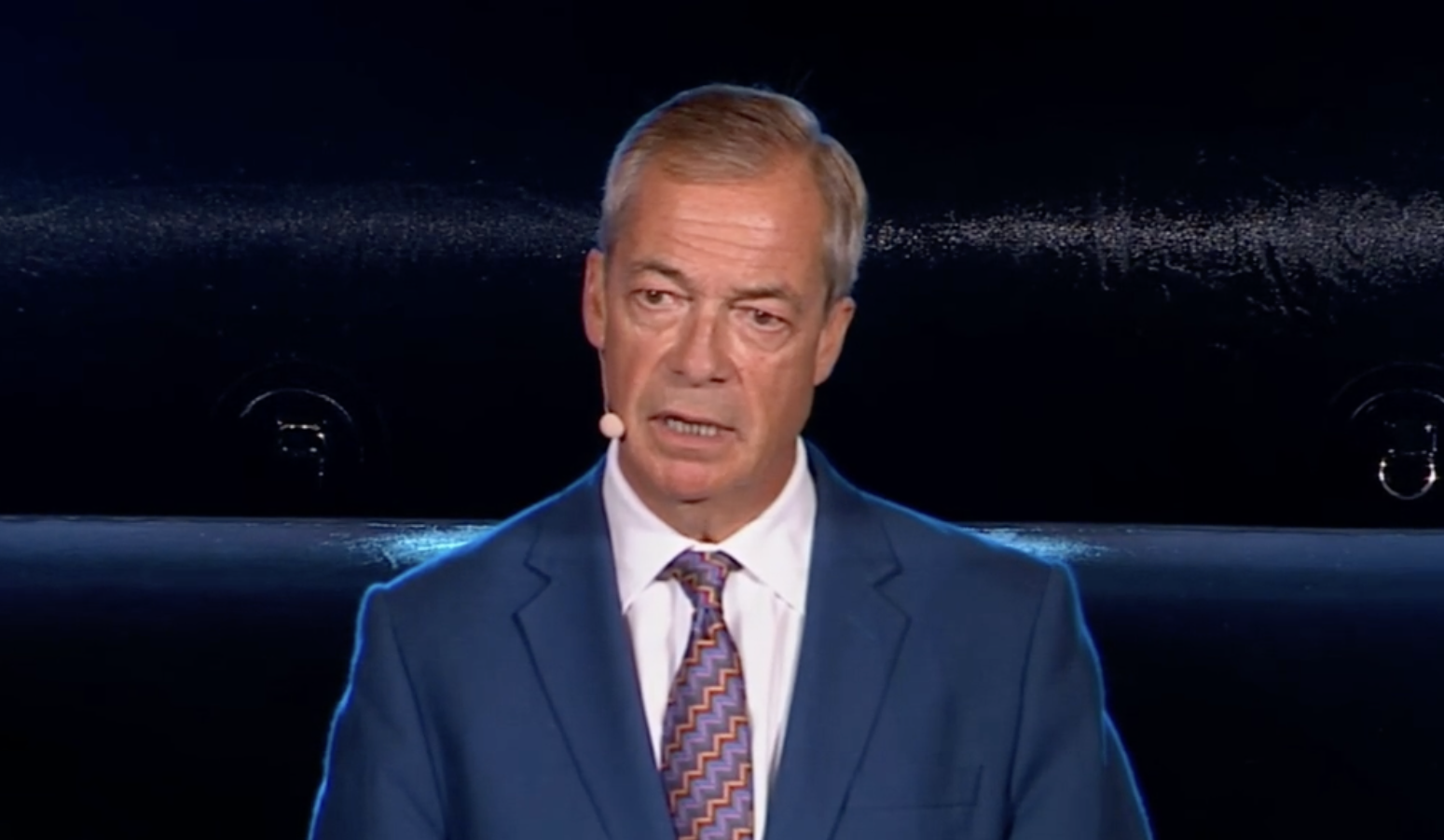
A renewed debate over the integrity of the 2016 Brexit referendum has erupted into a high-profile war of words following public comments regarding historical foreign intelligence assessments. Speaking during a press conference in Dover, Reform UK leader Nigel Farage forcefully dismissed claims that Russia interfered in the historic vote, aiming his sharpest criticism directly at Prime Minister Andy Burnham.
The controversy began after Burnham stated during a podcast appearance that, upon entering Downing Street, he sought security briefings regarding potential foreign meddling in British elections. Burnham reported receiving a clear confirmation that Russian interference attempts had indeed occurred during the referendum campaign. Responding to queries about whether such intelligence compromised the legitimacy of the vote, Farage bluntly rejected the premise.
"The prime minister is a liar. Yes, a liar," Farage declared, asserting that the notion of foreign tampering was unfounded. He pointed to assurances he claimed were made back in July 2016 when Boris Johnson assumed the role of Foreign Secretary, noting that inquiries at the time yielded no evidence of systemic interference. Farage further characterized the continuing focus on foreign influence as an ongoing "hoax" designed to discredit the democratic result.
Official Clarifications and the Scope of Interference
Following the heated exchange, government officials stepped in to clarify the scope of the intelligence reports without invalidating the 2016 outcome. Foreign Office Minister Stephen Doughty addressed the issue, explaining that Security Minister Dan Jarvis had been explicit: while Russian state actors attempted to influence the campaign, those efforts did not succeed in altering the democratic process or the ultimate result.
Doughty noted that the Prime Minister's observations were meant to highlight a broader pattern of state-sponsored disinformation campaigns directed at democratic institutions across the United Kingdom and continental Europe, rather than an assertion that the referendum was stolen or compromised.
Observers of the exchange noted how quickly the rhetoric escalated into familiar partisan arguments, with critics questioning the certainty of Farage's total denial.
"His response is very telling. Rather than say, I will be seeking evidence of this from the PM, he just categorically denies it and calls Burnham a liar."
Economic Disputes and European Relations
Beyond the security allegations, the clash expanded into a broader audit of post-Brexit economic performance and diplomatic strategy. Farage utilized his Dover press conference to mock proposals aimed at re-engaging with European partners, suggesting that attempting to build closer structural ties with the European Union ignored the current political realities in major member states.
Addressing economic concerns and friction at trade borders, Farage acknowledged that structural changes had introduced operational hurdles for businesses and travelers alike. However, he maintained that administrative friction was an acceptable trade-off for border control.
“Is there more inconvenience for people… doing business? There is, but when you have borders to protect your country, there is some level of inconvenience,” Farage said. “Showing a passport, filling in a form, whatever it may be.”
While critics continue to point toward lagging trade volume and administrative burdens, proponents maintain that the long-term strategic goal of national sovereignty outweighs short-term operational adjustments. As political parties position themselves for upcoming electoral cycles, the debate over the 2016 referendum—and the foreign policy landscape that followed—remains a central, contentious pillar of British political discourse.

