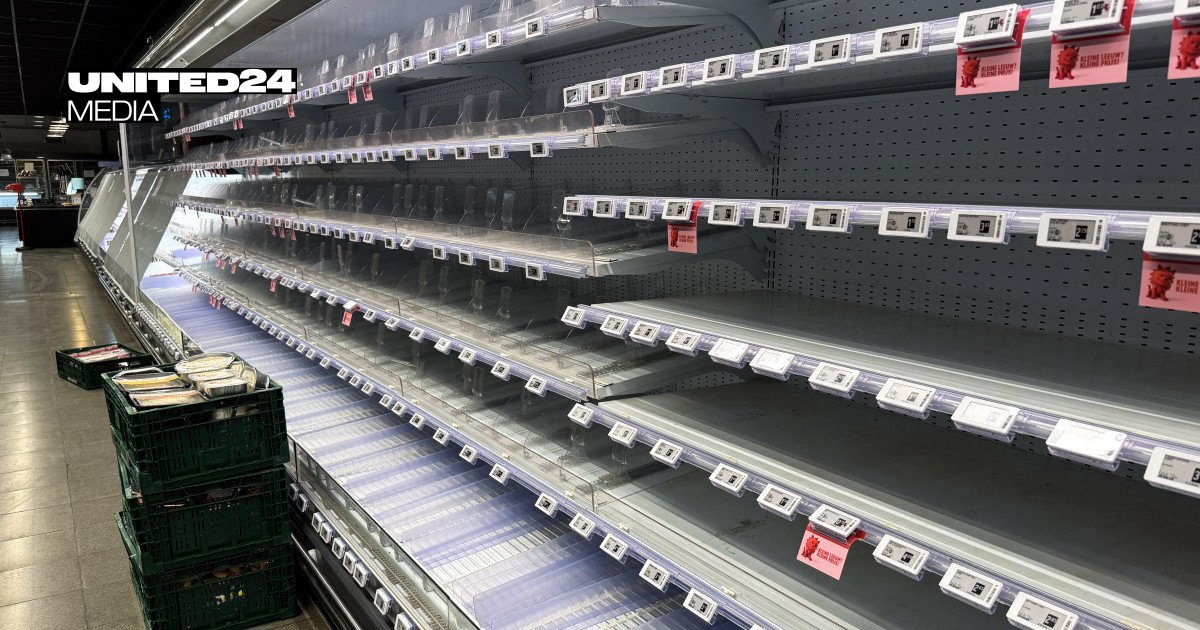
On November 2, hackers disrupted refrigeration systems across at least seven European Union countries, remotely manipulating temperatures and forcing some retailers to discard chilled and frozen food. Incidents were registered in Sweden, Finland, Ireland, Belgium, Luxembourg, Estonia, and the Netherlands. More than 100 stores and other businesses across Europe experienced refrigeration problems, with several retailers attributing the disruptions to cyberattacks or unauthorized tampering.
The Attack
In Sweden, supermarket chain Coop reported disruptions at several stores, while ICA said a limited number of its locations were affected. A freezer at an ICA Nära store in Boda, on the island of Öland, reached 55°C, leaving food spoiled. Another ICA supermarket in Sjöbo reported temperatures of 50°C.
Belgian retailers also reported widespread disruptions. Carrefour confirmed refrigeration problems at about 15 of its more than 700 stores, while other affected locations included Delhaize, Spar, and smaller retailers. Ahold Delhaize said an overnight IT incident affected refrigerators and freezers at dozens of stores in Belgium and Luxembourg.
In Ireland, Musgrave Group said refrigeration systems at 13 SuperValu stores were affected, forcing some chilled and frozen products to be removed from sale.
In Finland, public broadcaster Yle reported that Kesko detected temperature problems at several smaller K-food stores. The company said it was investigating the cause and had not ruled out interference through network connections. According to Yle, the affected refrigeration equipment was not covered by the retailer’s centralized security protections.
According to the Associated Press, in Estonia attackers accessed a computer controlling the refrigeration equipment at a Selver supermarket and set the temperature to 50°C. The incident was detected and resolved within minutes, limiting the damage.
The latest wave also reached the Netherlands. NL Times reported, citing equipment supplier Danfoss, that refrigeration and freezer systems at at least 17 businesses were targeted overnight. The affected sites included butcher shops, small neighborhood stores, and a frozen-food storage facility. Major Dutch supermarket chains were not reported affected.
NL Times also added that at least some of the compromised refrigeration systems used remote-control technology supplied by Danish manufacturer Danfoss. Equipment from another manufacturer, Copeland, was also reported affected in Belgium. Danfoss said some systems targeted in the Netherlands remained connected to unsecured networks and were still using default passwords.
Internet-connected refrigeration controllers allow technicians to remotely monitor temperatures, diagnose faults, and adjust equipment. Unauthorized access can allow attackers to change temperature settings or activate extended defrost cycles, potentially spoiling large quantities of temperature-sensitive food.
The Impact
The November incidents came about three weeks after a similar cyberattack targeted refrigeration systems at hundreds of supermarkets in France. Around 700 stores were affected, with attackers remotely manipulating refrigeration controllers and, in some cases, pushing temperatures above 50°C. The attack caused extensive food losses and fires at some locations.
Cybersecurity outlet The Record concluded that the French attacks affected controllers from multiple manufacturers, including older Danfoss and Copeland systems. Some of the compromised equipment had reached the end of its supported life and no longer received security updates.
No one has publicly claimed responsibility for the latest wave, and authorities have not identified the attackers or established their motive.
The Root Cause
Internet-connected refrigeration controllers allow technicians to remotely monitor temperatures, diagnose faults, and adjust equipment. Unauthorized access can allow attackers to change temperature settings or activate extended defrost cycles, potentially spoiling large quantities of temperature-sensitive food.
The attacks highlight the risks of connecting critical infrastructure to the internet without proper security measures. Many of the affected systems were using default credentials and older equipment that had reached the end of its supported life, making them vulnerable to exploitation.
The Way Forward
The incidents underscore the need for stronger cybersecurity measures in the food supply chain. Retailers and equipment manufacturers must take steps to secure their systems, such as updating passwords, implementing stronger authentication protocols, and regularly applying security patches. Additionally, the use of air-gapped systems and offline monitoring devices can help mitigate the risk of cyberattacks.
As the threat landscape continues to evolve, it is crucial for organizations to stay vigilant and proactive in protecting their critical infrastructure from cyber threats.

